

Choosing the right appliances is essential for creating an efficient and well-organized commercial kitchen. Restaurants, hotels, catering facilities, and food-service businesses depend on reliable equipment to prepare meals, manage busy service periods, and maintain consistent food quality. Professional Kitchen Equipment Sales provide access to essential commercial appliances, including ovens, fryers, grills, ranges, and food preparation machines designed to support different cooking requirements.
Commercial Ovens for Versatile Cooking
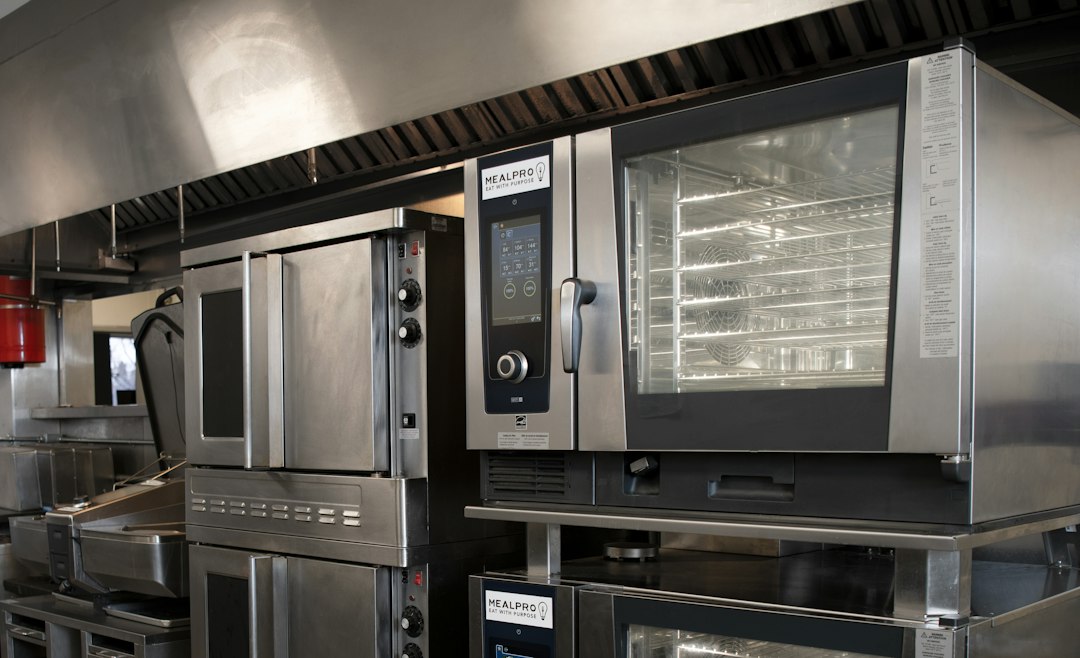
Commercial ovens are important appliances for restaurants that prepare baked dishes, roasted meals, casseroles, and other oven-cooked products. Different models offer features suited to specific cooking methods and production volumes.
Convection ovens use fans to circulate heated air, helping distribute heat throughout the cooking chamber. Standard commercial ovens are suitable for various everyday cooking applications, while combination ovens offer multiple cooking functions in one appliance.
When selecting an oven, consider its internal capacity, temperature controls, energy requirements, door configuration, and cleaning features. The appliance should accommodate expected production needs without occupying unnecessary kitchen space.
Commercial Fryers for High-Volume Food Preparation
Deep fryers are commonly used in restaurants serving fried chicken, French fries, seafood, and other popular menu items. Commercial models are available in different capacities and configurations to accommodate varying kitchen workloads.
Important features include temperature regulation, oil capacity, heating performance, filtration options, and ease of cleaning. Gas and electric models may offer different installation and operating requirements.
Choosing the correct fryer capacity helps kitchen employees manage cooking batches efficiently. Proper oil maintenance and regular cleaning are also important for equipment performance and food preparation consistency.
Grills and Griddles for Restaurant Cooking
Commercial grills and griddles provide versatile cooking surfaces for preparing burgers, sandwiches, vegetables, meats, and breakfast items.
Charbroilers create direct cooking heat and characteristic grill marks, while flat-top griddles offer broad surfaces suitable for preparing multiple food items simultaneously. Both options are available in different sizes and configurations.
Before purchasing, evaluate cooking surface dimensions, heat controls, fuel type, grease management, and cleaning requirements. Selecting an appropriate model helps maximize available workspace and supports the restaurant’s menu.
Commercial Ranges for Everyday Kitchen Operations
Commercial ranges combine burners and, in some configurations, an oven to support different cooking activities. They are useful for restaurants that prepare sauces, soups, pasta, vegetables, and other dishes requiring stovetop cooking.
Buyers should compare burner configurations, heat output, oven capacity, construction materials, and installation requirements. The number of burners should match the kitchen’s expected workload and available counter space.
Durable construction and accessible controls can also make equipment easier to maintain and operate during busy service periods.
Food Preparation Equipment for Greater Efficiency
Food preparation machines help restaurant employees complete repetitive kitchen tasks. Common options include commercial mixers, food processors, slicers, blenders, vegetable cutters, and dough preparation equipment.
The appropriate machine depends on the menu, ingredient quantities, and daily production requirements. Bakeries may prioritize mixers and dough equipment, while restaurants preparing large quantities of vegetables may benefit from commercial food processors.
Consider motor capacity, operating speed, safety guards, removable components, and cleaning procedures before selecting an appliance.
Plan Equipment Around Your Kitchen Layout
Purchasing commercial appliances requires more than comparing features and prices. Each item must fit the available workspace while allowing employees to move safely between cooking, preparation, storage, and washing stations.
Measure installation areas, doorways, and access routes before ordering equipment. Electrical connections, gas supply, ventilation, drainage, and other utility requirements should also be checked.
A practical layout helps reduce unnecessary movement and supports organized kitchen operations.
Review Equipment Quality and Maintenance
Commercial appliances experience frequent use, making durability and maintenance important purchasing considerations. Review construction materials, warranty terms, replacement part availability, and manufacturer recommendations.
Stainless steel equipment is commonly preferred for its durability and practical cleaning characteristics. Regular inspections and appropriate cleaning routines help maintain equipment condition.
It is also useful to compare energy consumption and long-term operating expenses rather than focusing only on the initial purchase price.
Choose Equipment That Supports Your Business
Selecting suitable ovens, fryers, grills, ranges, and preparation machines helps restaurants build functional commercial kitchens. Matching appliance capacity and features to menu requirements can support smoother operations, organized food preparation, and better use of available space.
Careful research, accurate measurements, and practical budgeting help restaurant owners make informed purchasing decisions and prepare their kitchens for daily service demands.
Key Points
- Restaurants rely on commercial kitchen appliances like ovens, fryers, and grills to maintain food quality and manage busy service periods.
- Convection ovens circulate heated air to provide consistent cooking results, while combination ovens offer multiple cooking functions.
- Commercial fryers come in various capacities and configurations, and proper oil maintenance is crucial for consistency in food preparation.
- Commercial ranges combine burners and ovens, requiring careful consideration of burner configurations and kitchen workload.
- Food preparation equipment such as mixers and food processors is essential for increasing efficiency in restaurants based on menu and production needs.
- Choosing the right kitchen layout and equipment requires measuring installation areas and ensuring compatibility with utility requirements.


